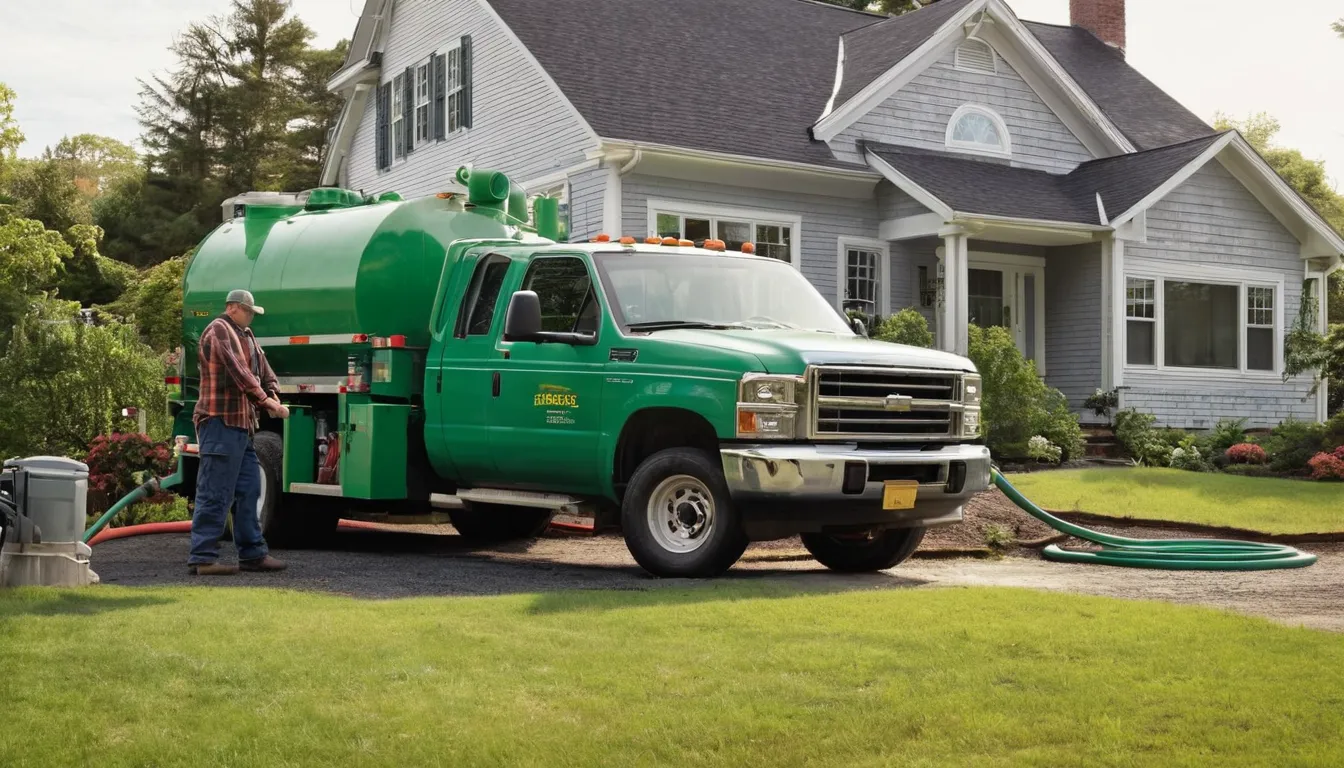
Septic Tank Pumping for West Mifflin Homeowners
Request an estimate today
Say you come home and the shower drains slowly, the toilet gurgles, and the yard smells sour. A septic tank that is full or overdue can cause all of that. Pumping clears the built-up solids so wastewater can move on to the drainfield the way it should.
Beastben Septic is a referral service. We listen to what is going on, then connect you with an independent provider in the West Mifflin area who does the pumping. This page walks through the warning signs, what a visit looks like, typical costs, and the habits that help you keep it from returning. Older houses get extra attention here, because aging tanks and past patchwork bring their own surprises.
Slow Drains, Gurgles, a Soggy Patch: Start Here
Say you come home and the tub drains slowly. Then the toilet gurgles when the washer runs. Out back, one stretch of lawn smells sour and feels spongy underfoot. That mix often points to a tank that is full or overdue.
Septic tank pumping is the usual first move. A provider in our network removes the built-up solids so the system can work again. Request a callback to check provider availability in your area.
If Sewage Is Already Backing Up
Picture water pooling around a basement floor drain. This is when you may need emergency septic cleaning. Many providers can respond quickly, though timing depends on their schedules.
Until help arrives:
- Stop running water. Skip laundry, dishes and long showers.
- Keep children and pets away from the wet area.
- Do not open the tank lid or climb in. The gases can be dangerous.
- Skip chemical drain products. They cannot empty a full tank.
- Take photos of any damage in case you need them for a claim.
Why Pumping Matters More Than It Seems
A septic tank is a holding chamber. Heavy sludge sinks to the bottom. Grease and light waste float on top. The clearer water in the middle flows out to the drainfield.
When a tank is never pumped, those two layers keep growing. In time, solids slip past the outlet and clog the soil in the drainfield. A pump-out costs a few hundred dollars. Drainfield repair can cost many times that. Pumping on a schedule is the affordable way to protect the expensive part.
How Often Should You Pump?
Many households land somewhere between every three and five years. Your own number depends on a few things:
- Tank size compared with the people living in the home
- Whether you use a garbage disposal
- Heavy water use, like daily laundry or a full house on holidays
A provider can measure sludge and scum levels and suggest a schedule. Write the date down every time it is done.
What Happens During a Pumping Visit
Imagine a truck pulling up and a provider walking the yard. First they find the lid, which may be buried under sod. They open it, check the levels, and pump the tank out through a long hose.
Next they look at the baffles and the outlet filter, if there is one. They may point out cracks, roots or a lid in poor shape. Ask them to explain what they saw in plain words. A good visit ends with a receipt and a suggested next date.
Pumping and Inspections
Pumping gives a rare look inside the tank. Many providers offer a basic inspection during the same visit.
Keep in mind that checking the tank and filter is not the same as a full system evaluation, which also tests the drainfield. If you want the full picture, ask for it up front.
Older Houses Hide Surprises
Say you bought an older Cape Cod style home with a stone and block foundation. Nobody can say where the tank sits. The lid is under the lawn, and past owners may have patched pipes along the way.
Older tanks may be worn concrete or rusted steel. Multi-family homes can put extra load on a tank sized for fewer people. A provider can probe for the lid, check the tank's condition, and suggest adding a riser so future visits are easier. Sketch the tank spot and keep it with your house papers.
Winter, Snowmelt and Coastal Storms
Cold ground makes lids hard to reach, and deep snow hides them. In spring, snowmelt and heavy rain can soak the drainfield. A tank that is nearly full then has nowhere to send its water. Flooded soil after a coastal storm can cause backups too.
That is why many homeowners book pumping in the fall, before the ground freezes. Mark the lid with a tall stake so it can be found under snow.
Have a Private Well?
If your property also uses a well, tell the provider. Water well service and septic care are separate jobs, but the tank and well need a safe distance between them. After a backup, ask whether testing the well water makes sense.
After the Repair: Keep It From Returning
Old pipes, new habits. Once the tank is pumped, small choices decide how long it stays healthy.
- Spread laundry across the week instead of one big day.
- Put wipes, floss and grease in the trash, not the drain.
- Keep cars and heavy equipment off the drainfield.
- Plant grass, not trees, over the field.
- Fix dripping faucets and running toilets.
- Keep a record of every pumping.
Buying or Selling a Home With a Septic System
A buyer may ask for proof of a recent pump-out and inspection. Sellers who pump before listing can hand over a clean record. Buyers should ask for the tank location, its age and any past work. Surprises are common in older houses, so it pays to ask early.
Questions to Ask the Provider
- What size is my tank, and how full was it?
- Did you see damage to baffles, lids or filters?
- Would a riser make future visits easier?
- When should I schedule the next pumping?
- Can I get a written quote and a receipt?
Some policies may cover sudden damage, so check your policy. Providers can often help document damage for a claim.
What's Included
Tank Pump-Out
Providers remove sludge and scum from the tank so wastewater flows again and the drainfield stays protected.
Lid Location
Buried or hidden lids get found and opened, which helps in older yards with no records.
Baffle and Filter Check
Many providers look at baffles and outlet filters during the visit and point out wear or damage.
Urgent Backup Help
When sewage is rising indoors, many providers offer emergency septic cleaning, depending on their schedules and your location.
Typical Septic Pumping Costs
Prices vary with tank size, access, distance and how full the tank is. These are typical U.S. ranges, not quotes. Ask the provider for a written quote before any work begins.
| Item | Typical range | Notes |
|---|---|---|
| Routine pump-out | $300 – $650 | Common for standard household tanks |
| Large or multi-family tank | $500 – $1,000 | More volume and longer time on site |
| Lid locating and digging | $100 – $300 | Older yards with buried lids |
| Riser and lid install | $300 – $900 | Makes later visits quicker |
| Tank and filter inspection | $150 – $500 | Often paired with pumping |
| Urgent backup visit | $400 – $1,000 | May add a surcharge for rush scheduling |
How It Works
Describe the Problem
Tell us about the slow drains, odors or backups, plus the age of the home and when it was last pumped.
Get Matched Locally
Beastben Septic connects you with an independent provider serving West Mifflin and nearby areas.
Review the Quote
Talk through the work with the provider and ask for a written quote before anything starts.
Pump, Then Plan Ahead
After the pump-out, set a reminder for the next visit and follow simple habits that protect the system.
Why Call Beastben Septic
Protects Drainfield
Removing solids on schedule keeps them from escaping into the soil, where clogs are costly and slow to repair.
Prevents Backups
A tank with room to spare is less likely to push wastewater into drains.
Spots Problems
Open lids reveal cracks, worn baffles and roots before they turn into larger repairs.
Builds Records
Dated receipts help with planning the next visit, and with selling the house later.
Other Services
Need septic tank pumping in West Mifflin?
Tell us what is going on with your septic tank or sewer line. Beastben Septic passes your request to an independent local provider. Email contact@beastben.surf or use the request form.
No obligationSeptic Tank Pumping FAQ
How do I know if my septic tank needs pumping?
Slow drains, gurgling pipes, sour odors and soggy ground near the tank are common signs. If it has been three to five years since the last pump-out, schedule one even without symptoms.
How often should a septic tank be pumped?
Many homes need pumping every three to five years. Tank size, household size and garbage disposal use change that. A local provider can check your levels and suggest a schedule that fits.
Can I pump my own septic tank?
It is not a good idea. Tanks hold dangerous gases and need proper disposal of waste. Hire an independent provider who has the right equipment.
Get in touch
Tell us what is going on with your septic tank or sewer line. Beastben Septic passes your request to an independent local provider. Email contact@beastben.surf or use the request form.
No obligation