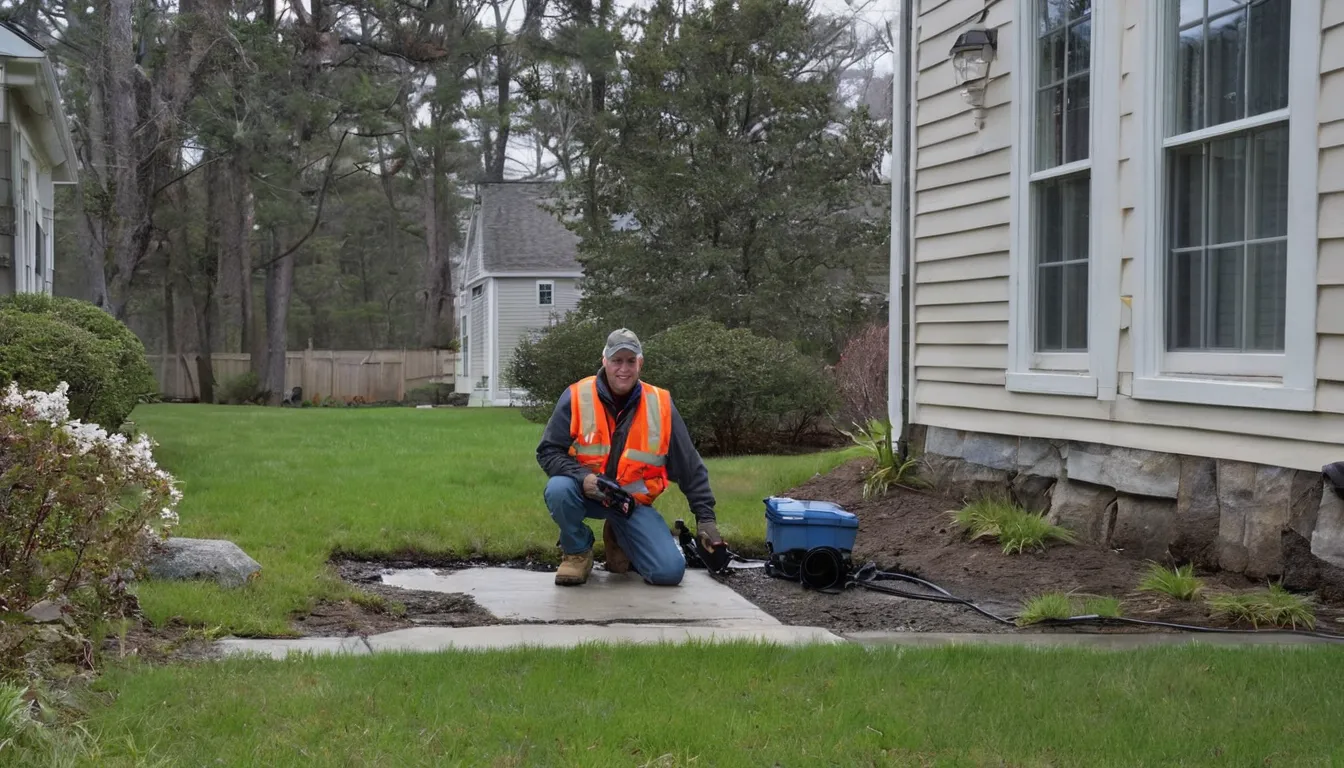
Sewer Line Repair in West Mifflin, PA
Request an estimate for your sewer line
Say you flush the toilet and the shower drain gurgles. Then a damp patch shows up in the yard. These are classic signs of a sewer line in trouble. Beastben Septic is a referral service. We listen to what is happening, then connect you with an independent provider in our network who can inspect and repair the pipe.
The repair is not the finish line. Older homes in the West Mifflin area often have clay, cast iron or patched pipes that have seen many winters. After the work is done, small habits can keep the line clear for years. This page explains the warning signs, how repairs work, what they may cost, and how to keep it from returning.
Sewer Backup? Start Here
Say you walk into the basement and catch a sour smell. A floor drain is gurgling, and a puddle is creeping toward the washer. Pause. A few quick steps can limit the mess while you line up help.
Keep People and Pets Away
Sewage carries germs. Keep children and pets out of the wet area. If you must go in, wear boots and gloves, and wash well afterward.
Stop Sending Water Down the Drains
Hold off on laundry, showers and the dishwasher. Every flush adds water to a pipe that may already be blocked. Extra water is also hard on a septic system if your home has one.
Watch the Electrical Side
If water is near outlets, the furnace or the panel, stay out. Leave that area to a licensed electrician. Dry ground is safer than a quick look.
Reach a Local Provider
Request a callback to check provider availability in your area. Many providers can respond quickly, but timing varies, so ask what is open to you.
Signs of a Sewer Line Problem
Not every problem starts with a flood. Often it whispers first. Watch for these clues:
- Slow drains in several fixtures at once
- Gurgling sounds after a flush
- A sewage smell in the basement or yard
- A soft, sunken or unusually green strip of lawn
- Cracks in a slab or foundation wall near the line
- Sewer flies or rodents showing up indoors
One slow sink is usually a local clog. Trouble in the drain at the bottom of the house and the toilets together points to the main line.
Old Pipes, Hidden Surprises
Picture an older Cape Cod style house with a stone or block foundation. Decades ago, someone patched the sewer line with a different material. Nobody wrote it down. Now clay tile, cast iron and fiber pipe sit joined in one run.
That mix is common in older housing. Joints loosen, pipe walls flake, and past repairs hide behind the walls. Multi-family buildings add another twist, since a shared line can serve more than one household. A provider can map what is really down there before any digging begins.
What Damages Sewer Lines
The causes are usually slow and quiet.
- Tree roots slip into tiny joint gaps and grow into a thick mat.
- Freeze-thaw cycles shift soil and stress brittle pipe through cold, snowy winters.
- Spring snowmelt and coastal storms saturate the ground and can move or crack buried pipe.
- Grease and wipes build a clog that sits on rough, aging pipe walls.
- Age wears down clay, cast iron and older fiber pipe.
How a Provider Finds the Cause
Most providers start with a small camera on a flexible cable. It runs through a cleanout or drain and shows cracks, roots, sags and offsets on screen. Ask to see the footage. Seeing the damage helps you trust the plan. It can also help document the problem if you decide to talk with your insurer.
How Sewer Line Repair Works
The fix depends on what the camera shows. A provider may suggest one of these paths:
- Cleaning and root cutting for a clog or light root growth, often paired with a follow-up check
- Spot repair where one short section is dug up and replaced
- Pipe lining, a trenchless method that creates a new pipe surface inside the old one
- Pipe bursting or full replacement when the line is collapsed or badly worn
Trenchless work can mean less digging, though it does not suit every pipe. Ask why your provider picked their approach.
When the Problem Is Really Septic
Some homes are not on a city sewer at all. Say your line runs from the house to a tank in the yard. A blocked pipe there can look like a sewer failure. In that case, ask about emergency septic cleaning, a pumping, or drainfield repair. If the home also has a private well, ask the provider to check how close the line runs to it. Water well service is a separate trade, but a careful provider will flag any concern.
Permits and Property Lines
Digging near a street or shared line often needs a permit. Your provider may handle the paperwork, so ask. It also helps to know where your responsibility ends. In many places the homeowner owns the pipe up to the main. In others, the town owns part of it. Check with your local public works office before you assume.
After the Repair: Keep It from Returning
The pipe is fixed, so now protect it. Schedule a camera check a year or two later, especially if roots were the cause. Ask whether a cleanout was added, since that makes future checks easier. If trees grow near the line, talk to the provider about root control before the pipe is buried again.
Old Pipes, New Habits
Small habits add up. Put only toilet paper down the toilet. Wipes, even ones labeled flushable, snag on rough pipe. Pour cooled grease in the trash. Use drain screens in tubs and sinks. Before a deep freeze, make sure basement drains and cleanouts are not exposed to drafts.
Restoring Your Yard
A dug trench leaves a scar. Ask before work starts who backfills, who re-seeds, and whether patios, walks or shrubs will be moved. Some providers include basic grading. Others expect a landscaper. Get that in writing so spring does not bring surprises.
Questions to Ask the Provider
- Can I see the camera footage and the problem spot?
- Which repair method do you suggest, and why?
- Does the quote include permits and yard work?
- What happens if you find a second problem once you dig?
- Do you offer a written warranty on the work?
- What should I do after the repair to protect the line?
Request a callback to check provider availability and get these answers before you decide.
What's Included
Camera Inspection
A small camera shows cracks, roots and sags so the repair plan is based on what is really there.
Root Cutting
Providers can clear roots from joints and talk through ways to slow regrowth.
Spot and Full Repair
Damaged sections can be replaced, relined or fully swapped, depending on the pipe's condition.
Cleanout Access
Many providers can add an access point so future checks and cleaning are simpler and cleaner.
What Sewer Line Repair May Cost
Prices vary by pipe depth, length, material, access and local rules. These are typical U.S. ranges only. Always get a written quote before work begins.
| Item | Typical range | Notes |
|---|---|---|
| Camera inspection | $100 – $500 | Often worth doing before any repair decision |
| Drain cleaning or root cutting | $150 – $600 | Roots may grow back without follow-up |
| Spot repair | $1,000 – $4,000 | Depends on depth and what is above the pipe |
| Trenchless pipe lining | $3,000 – $12,000 | Not suited to every damaged pipe |
| Full line replacement | $3,000 – $25,000 | Longer runs and deep lines cost more |
| Cleanout installation | $1,000 – $3,000 | Makes future checks much easier |
How It Works
Tell Us What Happened
Describe the backup, smell or slow drains you have noticed, and whether you are on sewer or septic.
Get Matched
We connect you with an independent provider in our network who handles sewer line work nearby.
Review the Findings
The provider inspects, explains the problem and gives you a written quote to consider.
Repair, Then Protect
After the work, follow simple habits and check-ups to keep the line healthy.
Why Call Beastben Septic
Plain-Spoken Referral Help
We listen to your situation first, then point you toward a provider who fits the job.
Independent Local Providers
The pros in our network work in your area and know local soil and winters.
Repair Plus Prevention
We share simple habits that help the line stay clear once the work is done.
No Obligation
Request an estimate and compare. You decide whether to move forward with any provider.
Other Services
Need sewer line repair in West Mifflin?
Tell us what is going on with your septic tank or sewer line. Beastben Septic passes your request to an independent local provider. Email contact@beastben.surf or use the request form.
No obligationSewer Line Repair FAQ
How do I know if my sewer line is broken?
Common signs include slow drains in several fixtures, gurgling, sewage smells, wet or sunken spots in the yard, and backups in the drain closest to the basement floor. A camera inspection by a provider can confirm the cause.
Does homeowners insurance cover sewer line repair?
It depends on your policy. Some policies may cover sudden damage, while wear and tree roots are often excluded. Check your policy, and ask providers to help document damage for a claim.
Can old sewer pipes be repaired without digging up the yard?
Sometimes. Trenchless methods like pipe lining can avoid a long trench, but they work only if the pipe is still in fair shape. A camera check helps a provider decide.
Get in touch
Tell us what is going on with your septic tank or sewer line. Beastben Septic passes your request to an independent local provider. Email contact@beastben.surf or use the request form.
No obligation